Business Loans
Match the funding to the work it needs to do.
Steady demand does not always arrive with the cash needed to fulfil it. We help you assess working capital or funding for equipment and expansion, match the request to suitable products, and organise the paperwork. The right money should support the business through repayment. Clearing an immediate cash shortage is only the start.

The work keeps landing back on your desk.
This is for businesses held back by cash timing, a necessary equipment purchase or growth that needs funding before it produces revenue. If an earlier application returned only part of what you needed, we review the gap and the repayment capacity. A larger loan is useful only if the business can carry it.
What we build
Bridge a defined operating gap
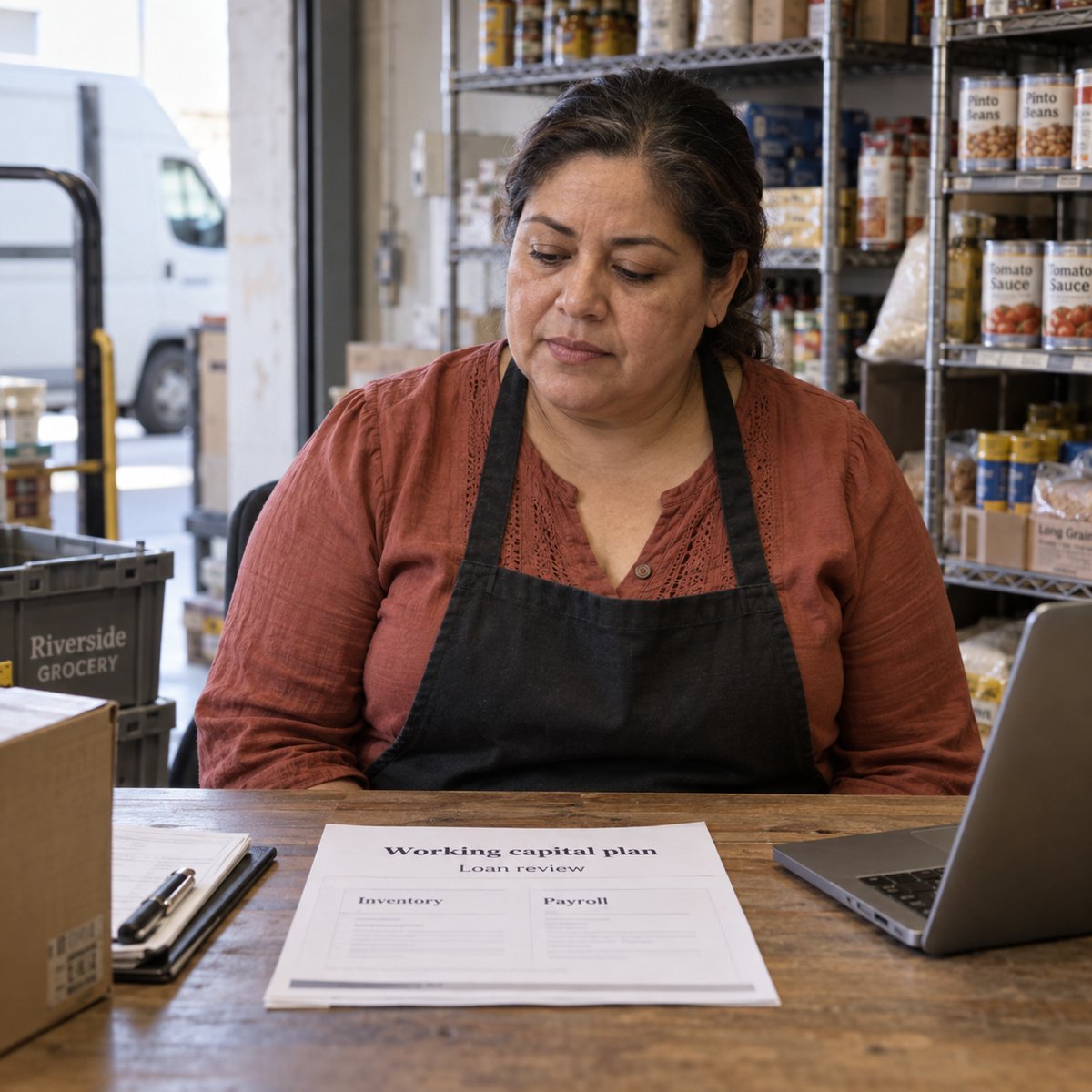
Keep an identified cash shortfall from interrupting work you can deliver profitably. We review when customer payments arrive against upcoming expenses and discuss working-capital options. Borrowing to cover a timing gap is different from borrowing to support continuing losses; the second problem needs a wider operating review.
Buy equipment without guessing at affordability

Assess the cost of adding or replacing equipment alongside its expected use. We help organise the purchase details and compare available funding structures. The repayment period should make sense for the asset and business, with deposits and any security requirements understood before you commit.
Fund growth on a realistic schedule

Make an expansion plan account for the wait before new revenue arrives. We review the amount needed and discuss suitable term or other available products. Forecasts include the slower case, because a new location or service can take longer to contribute than the sales plan assumes.
Compare offers beyond the headline payment
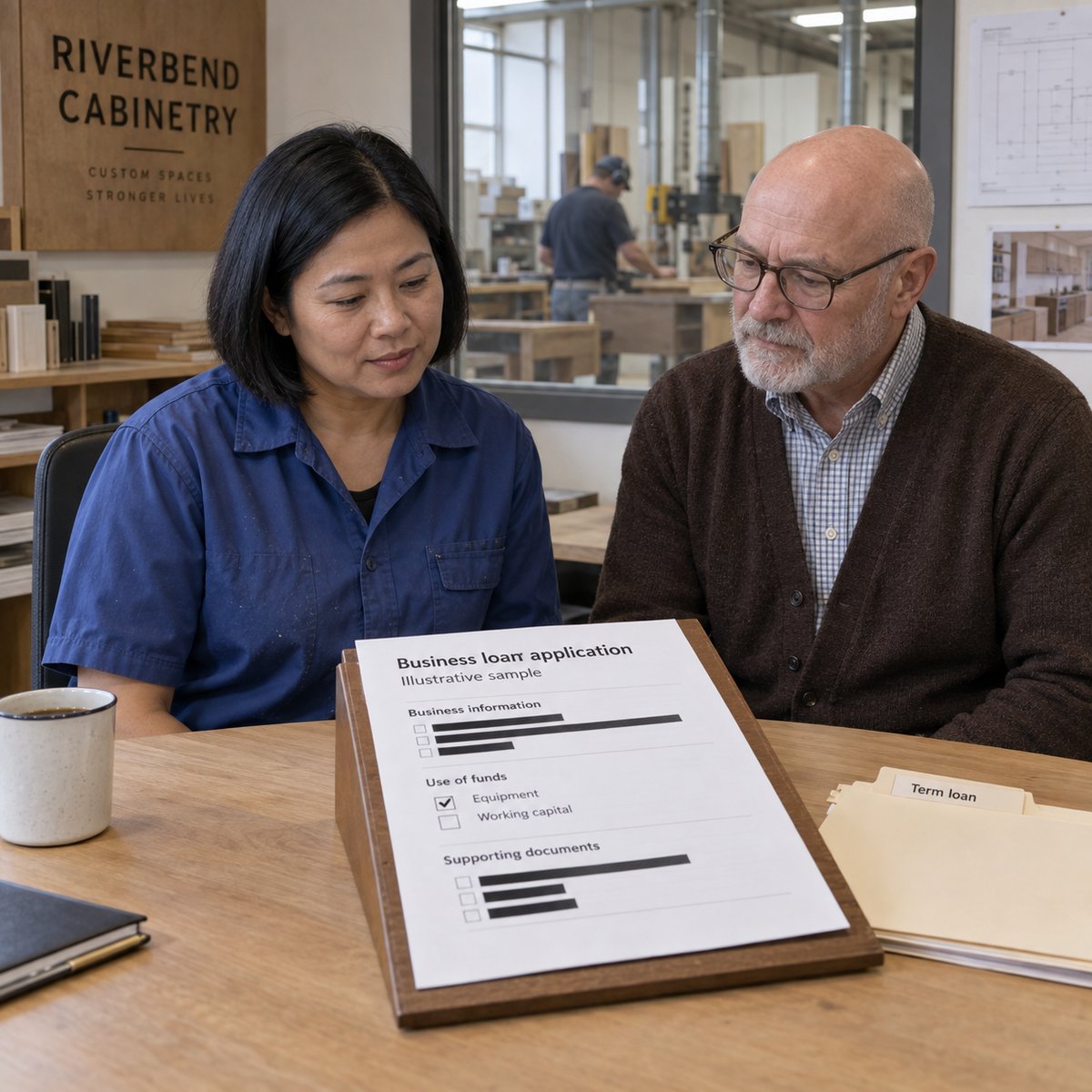
Know what an offer asks of the business. We organise the information needed to compare proceeds received, total repayment and payment frequency, alongside fees and security terms. A factor rate is not an annual percentage rate. We identify unclear terms for the provider to explain in writing.
Present a complete funding request
Reduce avoidable back-and-forth by preparing the documents the provider requests. We help explain the use of funds and keep missing items visible. Accurate records improve the application process; they do not override underwriting or turn a previous decline into a promised approval.
What a KCG build includes
The engagement defines application support and available provider options. You review any fees and authorise submissions before they are made.
- A funding-needs review
- The purpose, requested amount and timing, checked against current cash flow and existing repayment commitments.
- A product comparison
- Options suited to the request, with total costs and repayment structure reviewed rather than relying on a headline rate.
- A document checklist
- Required records and a clear list of missing information. Your accountant supplies or confirms financial statements where needed.
- An offer and funding handoff
- Support reviewing provider questions and funding conditions. The lender makes the credit decision and controls disbursement.
Put a number on the time bought back
Published research gives us a reason to measure. Your own results determine what the work is worth.
42% / 36% / 22%
Many applicants receive less than requested
Among financing applicants, 42% received the full amount, 36% some or most, and 22% none. These are employer-firm outcomes, not approval odds for your application.
60%
Funding often supports day-to-day operations
60% of firms applied for financing in the prior year. Operating expenses were cited by 56% of financing seekers; expansion or a new opportunity by 46%.
57%
The provider matters
Applicants at small banks were most likely to receive full approval, at 57%. Different applicant groups mean this is not proof a particular bank will approve you.
What the build actually looks like
Review: define the funding job
We establish the use of funds and timing, then review repayment capacity. An application needs a reason for the amount beyond borrowing the maximum available.
Prepare: organise the evidence
We compile the requested documents and flag gaps. You verify the business information and approve where an application will be submitted.
Compare: understand the offer
We review written terms and questions for the provider. You consider total cost and the effect of payments during a slower trading period.
Complete: confirm the conditions
We help track outstanding requirements and confirm the provider's next steps. You rely on written funding confirmation before committing money you have not received.
A good fit
- You have steady revenue and a clear use for additional capital.
- You can document cash flow and assess repayment alongside existing debt.
Not a good fit
- You want guaranteed funding or a fixed approval time before underwriting.
- You need borrowing to hide a recurring loss with no credible repayment plan.
Common questions
Can you guarantee an approval?
No. Providers assess the business and decide what to offer. We help prepare the request and explain options; a complete application can still be declined.
How quickly can funds arrive?
It depends on the product and funding conditions, including any documents still needed. We confirm the provider's timetable for your case rather than advertise a blanket turnaround.
Can you help after a bank decline?
We can review the stated reason and whether a different product fits. More expensive money is not automatically a solution, particularly if repayment capacity caused the decline.
Will I need a personal guarantee?
Some products require one or other security. We identify the requirement in the offer so you can assess the obligation before signing, with professional advice where needed.
What will this cost?
The written offer and engagement terms should show lender charges and any KCG or referral compensation. We review total repayment and actual proceeds; we do not promise a fee-free application.
Bring the funding gap and the numbers behind it.
Tell Seth or Hunter what the capital would pay for and when revenue should follow. We will discuss the records needed to assess suitable funding options.